Ditap®Business

Industries

The situation is changing.
Management connects.

Let's begin by examining how your company operates: your clients, your teams, your timelines, and the decisions you need to make.

Checking a catalog on a tablet at a counter.
01

Trade and retail

Connect the flow of business.

Sales, inventory, and administration need consistent information, especially when dealing with multiple channels.

  • Shared inventory and catalog
  • Order and return tracking system
  • Information for management.
Seeing an application scenario
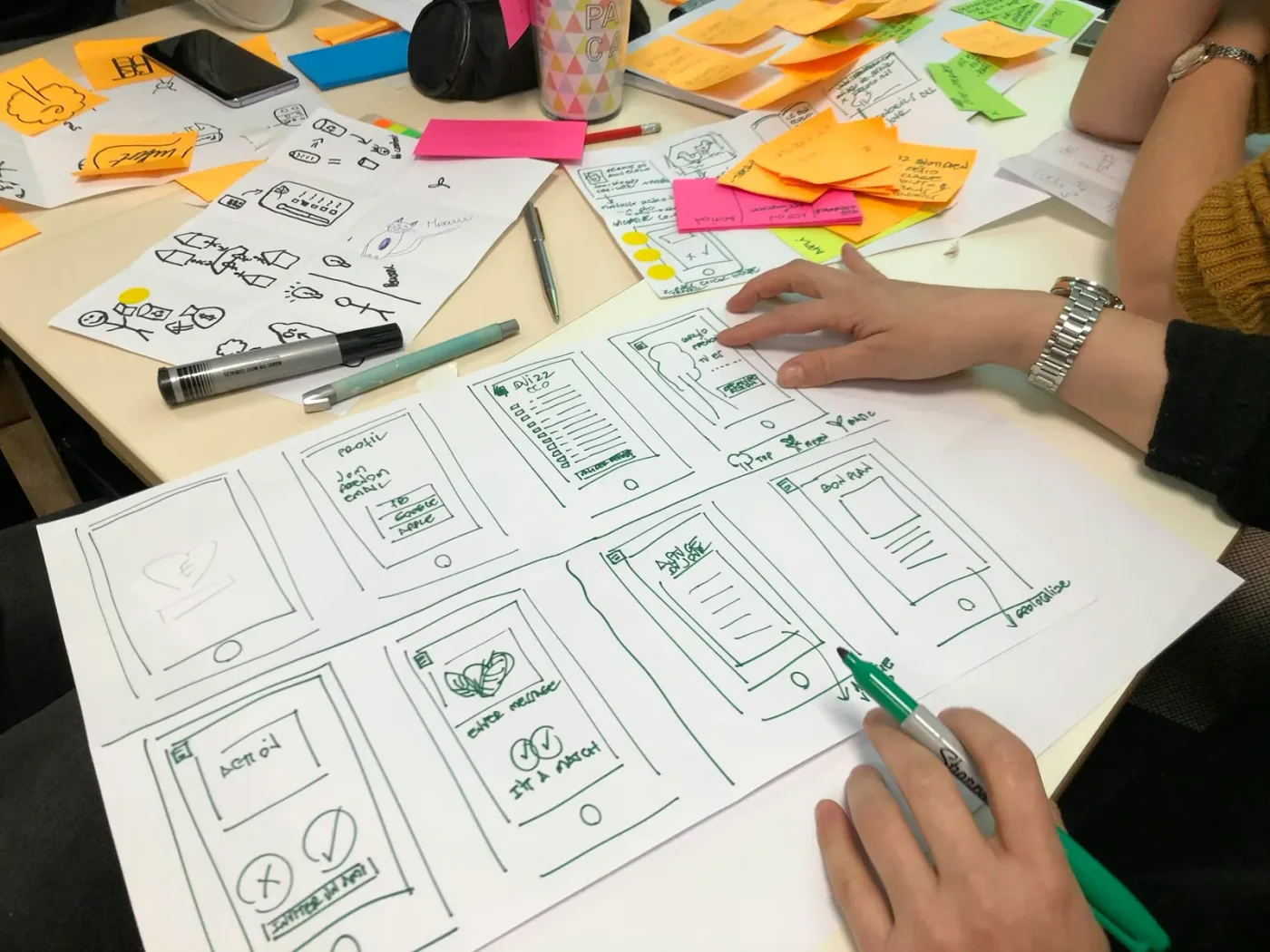
Design of app screens on paper.
02

Service companies

From the proposal to the delivery.

Growth requires a clear transition between the sales team, who carry out the work, and the administration.

  • Opportunity management
  • Capacity and planning
  • Scope and validation of deliverables
Seeing an application scenario
Calculator and printed charts for reviewing a budget.
03

Growing companies

A supporting framework.

As activity increases, the decisions, roles, and controls need to evolve—but without disrupting the operation.

  • Responsibilities and priorities
  • Documented processes
  • Key performance indicators
Seeing an application scenario

Nurseries and specialized trade.

The management also has a sector-specific context.

A nursery, a hardware store, or a workshop need to manage inventory and cash flow. DITAP Nursery originated from that type of operation.

To know the product.
Two people looking at a tablet in a nursery.
Editorial photograph · illustrative image

Sectoral operations

Understanding of the business.
Technological capacity.

There are certain operations that require specific attention: purchasing, production, distribution, or the management of a specialized catalog.

Business can coordinate management tasks with the capabilities of other DITAP verticals. The team composition and scope are defined according to each specific need.

Tell us how your company operates.

Let's talk.

Let's start by considering what your company needs.

A conversation to understand your operation and to define a concrete first step.

Request a meeting.

People, process, and support.

Support before, during and after implementation.

A clear initial contact. A written proposal. Agreed-upon next steps.

  1. Before: to understand and define

    We discussed your needs and established goals, deliverables, deadlines, and costs within the proposal.

  2. During: to coordinate the work

    We agreed on responsibilities, stages, and the necessary information to move forward. The launch and training are defined according to the project.

  3. After: knowing how to proceed.

    We’ve agreed on the channels, times, and scope of the follow-up support, so you’ll know who to contact.

Answers before deciding.

What am I going to receive before signing a contract?

A written proposal outlining the scope, deliverables, stages, price, and terms. It also identifies any additional services you would like to include.

How is support organized?

We’ve defined the contact channel, the hours of operation, and the scope of support within the proposal. This allows you to understand what kind of assistance your service offers and how to request help.

What’s happening with the information related to my organization?

When defining the project, we reviewed what information is needed, who can access it, and how it will be shared. In software systems, we also agreed on the conditions for backup, preservation, and export.


Technology that supports your trust.

A protected technology foundation.

HTTPS / TLS

Encrypted connections

Your browsing on this website uses HTTPS/TLS to protect information during transmission.

AES-256

Encoded within the infrastructure.

Vercel, the provider of hosting for this website, documents the use of AES-256 encryption for data stored within its infrastructure.

DITAP

Your information deserves attention.

The scope of each service considers how accounting and administrative information from your company is shared and used.

Learn about the supplier’s specifications.